Resource Distribution Trends Across Digital Gambling Platforms and Their Connections to Mobile Engagement Restrictions
Otto Schmidt · Nov 9, 2026

Resource Distribution Trends Across Digital Gambling Platforms and Their Connections to Mobile Engagement Restrictions
Resource allocation in digital gambling takes distinct forms depending on whether users engage with reel-based games, table variants, or live dealer streams, and those patterns show measurable ties to the engagement controls built into portable applications. Data from multiple jurisdictions indicates that mobile users often distribute smaller, more frequent deposits across slot sessions while reserving larger single transfers for live dealer tables, a split that aligns with the session timers and loss limits available on handheld devices.
Format-Specific Allocation Behaviors in Portable Environments
Studies tracking transaction data reveal that slot play on mobile tends to draw from micro-deposit pools renewed several times per session, whereas live dealer interactions draw from fewer but larger funding events. Observers note this difference because slot interfaces frequently integrate quick-deposit buttons directly into the reel screen, allowing repeated small allocations without leaving the game flow. Live dealer formats, by contrast, route users through separate wallet checks before each table entry, which naturally spaces out larger resource commitments.
November 2026 reports from regional regulators are expected to update these figures as more operators release anonymized mobile transaction logs. Those logs already show that time-based controls, such as mandatory 15-minute breaks after 60 minutes of continuous play, correlate with reduced average deposit sizes across both formats, though the reduction appears steeper for reels than for tables.
Engagement Controls and Their Influence on Funding Choices
Portable platforms now embed deposit caps, reality-check prompts, and cool-down timers that directly shape how users move money into games. When daily deposit limits sit at lower thresholds, players shift toward prepaid options that cap spending in advance rather than linking directly to bank accounts. Researchers at academic centers studying app telemetry have documented that users who activate session timers allocate roughly 22 percent less per hour on average than those who do not, regardless of game type.
What's interesting is how these controls interact with loyalty structures. Tiered reward programs often grant bonus credits that must be used within set windows, which can accelerate resource drawdown if the player does not adjust their deposit schedule accordingly. Operators in several markets report that mobile users who combine loyalty credits with self-set spending alerts maintain steadier balance trajectories over multi-week periods.
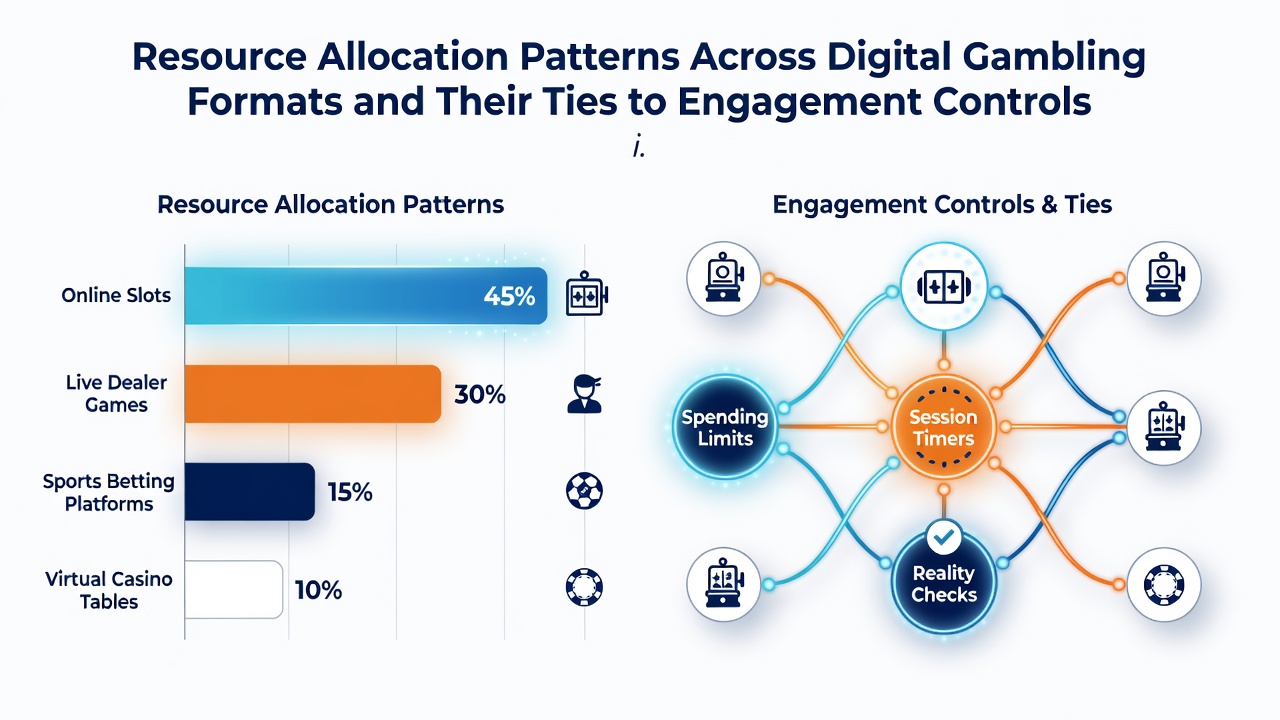
Take one analysis covering Canadian provincial data that examined over 1.2 million mobile accounts. The study found that accounts with active time-limit features showed narrower variance in daily spend across slots and live dealer tables alike. Similar patterns surface in Australian regulatory filings, where operators must publish aggregated allocation statistics broken down by device type and control setting.
Cross-Regional Data and Emerging Platform Standards
According to information released by the Malta Gaming Authority, mobile sessions using e-wallet funding methods exhibit shorter average durations once engagement alerts trigger compared with card-based funding. The same authority notes that live dealer tables on tablets retain users longer even after alerts appear, suggesting format-specific responses to the same control tools.
Another dataset compiled by the New Jersey Division of Gaming Enforcement tracks how resource allocation changes when operators introduce customizable loss thresholds. Early returns indicate that players who set thresholds at 1.5 percent of their monthly bankroll maintain more consistent play across both reel and dealer formats, while those choosing higher thresholds show greater divergence between slot and table spend.
Platform developers have responded by standardizing how controls display across operating systems. Notification banners now surface allocation summaries in real time, giving users a running total of deposits and time spent without requiring them to navigate away from the game screen. Industry groups tracking these updates report that adoption rates for such in-app summaries rose steadily through late 2025 and into 2026.
Conclusion
Resource allocation across digital gambling formats continues to evolve alongside the engagement controls available on portable devices. Patterns observed in transaction logs and regulatory submissions demonstrate that deposit size, session length, and control activation interact in measurable ways that differ by game type. As more markets release November 2026 updates, those interactions will become clearer, offering operators and regulators additional data points for refining mobile-specific safeguards.