Participant Profiles Shape Game Format Choices in App-Based Ecosystems
Amir Koch · Nov 23, 2026
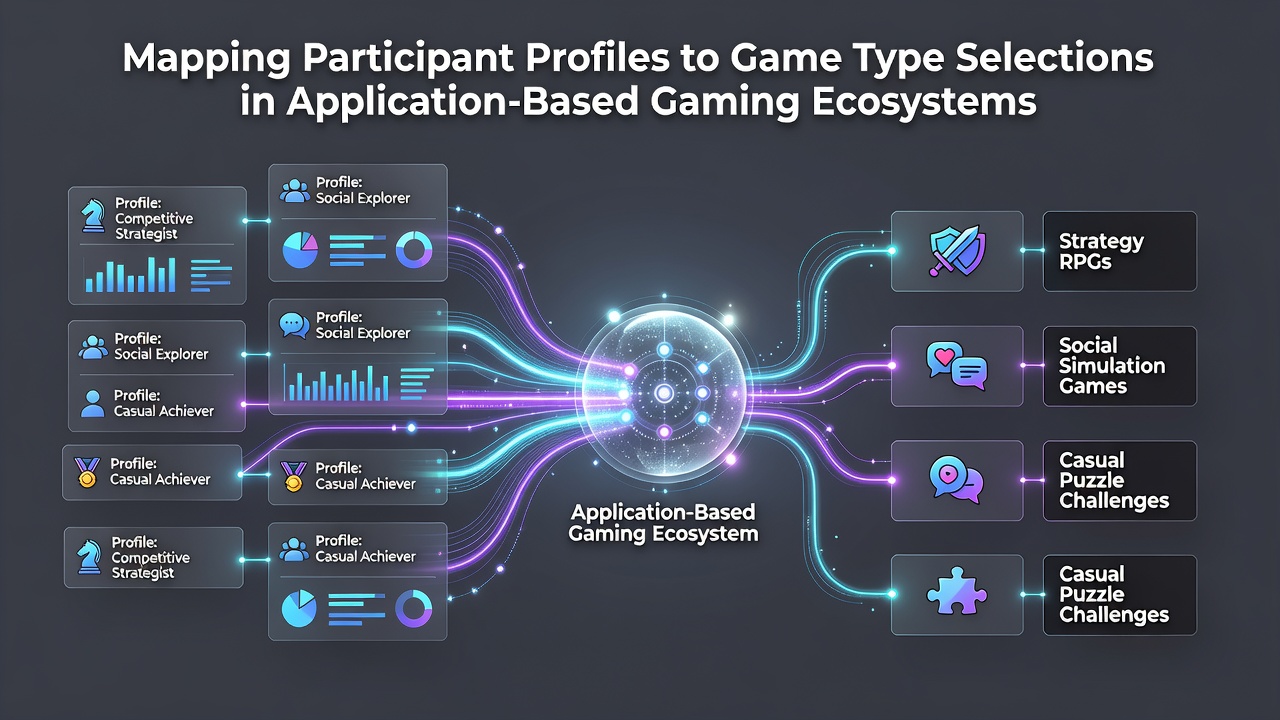
Participant Profiles Shape Game Format Choices in App-Based Ecosystems
Data from multiple regions shows distinct patterns emerge when researchers track how age groups, geographic locations, and engagement histories align with selections across mobile slots, table games, and live dealer formats, and these mappings continue to evolve through November 2026 as platforms refine recommendation engines.
Demographic Segments and Initial Format Alignments
Studies indicate younger participants between 18 and 34 gravitate toward high-frequency reel-based titles within application environments, whereas those aged 35 to 54 show stronger movement toward strategy-oriented table options and interactive dealer sessions, and this division appears in aggregated platform telemetry from North American and European operators.
Geographic factors add further layers, with urban users in densely populated markets displaying higher live dealer participation rates compared to rural cohorts who maintain steadier engagement with automated reel formats, and researchers at several institutions note these splits hold steady across device types and session lengths.
Behavioral Data Refines the Mapping Process
Transaction histories and session durations provide clearer signals than static demographics alone, and one analysis of app telemetry revealed that participants who complete frequent short sessions cluster around quick-spin mechanics, while those logging extended evening blocks shift toward multi-player table environments and live streams.
Loyalty program tiers also correlate with format migration, as entry-level users remain concentrated in basic reel categories and higher-tier accounts migrate toward premium dealer interactions, and figures from industry reports confirm this progression occurs consistently across major application marketplaces.
Platform Algorithms Translate Profiles into Recommendations
Application developers embed profile mapping directly into backend systems that weigh prior selections, time-of-day patterns, and funding method stability to surface suggested titles, and these engines adjust outputs monthly based on fresh cohort data collected through November 2026.
Canadian regulatory filings and Australian research summaries both document how such systems reduce format mismatch rates, and operators report measurable lifts in retention when recommendations align with established behavioral clusters rather than broad demographic buckets.
Regional Variations in Profile-to-Game Linkages
North American datasets show stronger ties between mobile banking integration and live dealer uptake, whereas Asia-Pacific records indicate reel formats retain dominance even among high-frequency users, and European operators note hybrid preferences where participants alternate between table simulations and dealer feeds within single sessions.
These differences stem from local regulatory frameworks and device penetration rates, and cross-border comparisons released by academic consortia highlight the need for region-specific calibration in mapping models.
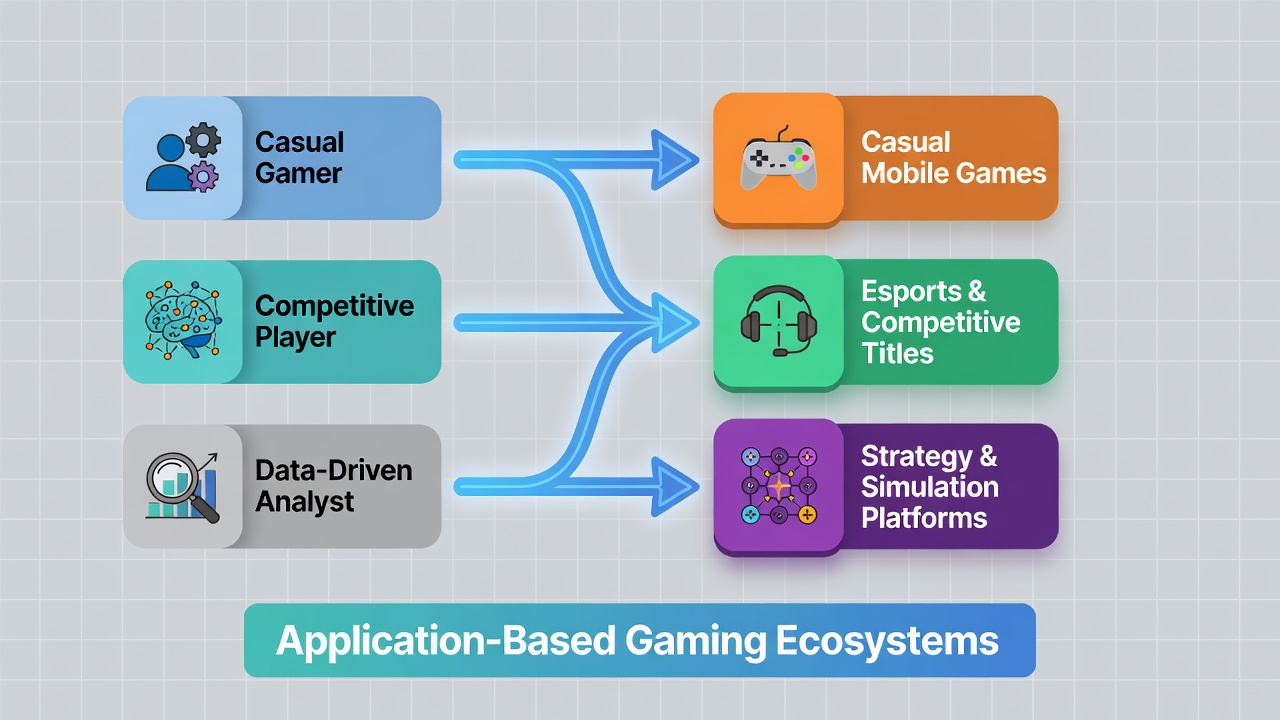
Longitudinal Shifts Observed Through 2026
Tracking the same participant cohorts over multiple quarters reveals gradual format drift, and individuals who begin with reel-heavy patterns often incorporate dealer sessions after six to nine months of consistent app activity, while the reverse migration appears less common according to platform logs.
November 2026 snapshots from several operators confirm that profile updates incorporating recent funding stability and session timing improve prediction accuracy by noticeable margins, and these refinements support more precise content delivery without altering core game libraries.
Conclusion
Mapping participant profiles to game type selections in application-based ecosystems rests on integrated demographic, behavioral, and regional data streams that platforms update continuously, and evidence from regulatory filings plus academic sources demonstrates measurable alignment between these profiles and observed format preferences across diverse user bases.